


Your jaw depends on a network of muscles and joints to function smoothly. Most importantly, your Temporomandibular Joint (TMJ) acts as a hinge that allows you to open and close your mouth comfortably. When something affects your TMJ, you may experience a range of uncomfortable symptoms. This is known as TMJ pain, and it's a condition your dentist may be able to treat.
What Causes TMJ Pain?
It isn't always easy to pinpoint why TMJ pain is happening. However, some of the more common causes include:
- Having a condition that predisposes you to joint inflammation, such as rheumatoid arthritis
- Grinding your teeth- you may do this at night without realising it
- Stress that causes you to tense your jaw
- An uneven bite
- Trauma to the area
What Are the Symptoms of TMJ Disorder?
TMJ pain usually radiates around your ear, jaw, and temple. You may experience this on one or both sides of your face. In addition to pain, you might notice symptoms such as:
- Popping and clicking noises when you open your jaw
- Clicking and cracking sensations when you open your jaw
- Your jaw locking from time to time
- A headache around your temples
- Being unable to open your mouth fully
The nature of this pain, as well as the symptoms, can fluctuate over time.
How Can You Treat TMJ disorder?
It's possible to treat TMJ disorder through a combination of self-help measures and dental interventions. In terms of self-help, try to avoid foods that are particularly tough or chewy, including gum. You can also treat the pain with over-the-counter medications such as ibuprofen and paracetamol. Additionally, many people find that cold compresses are useful, as they reduce inflammation.
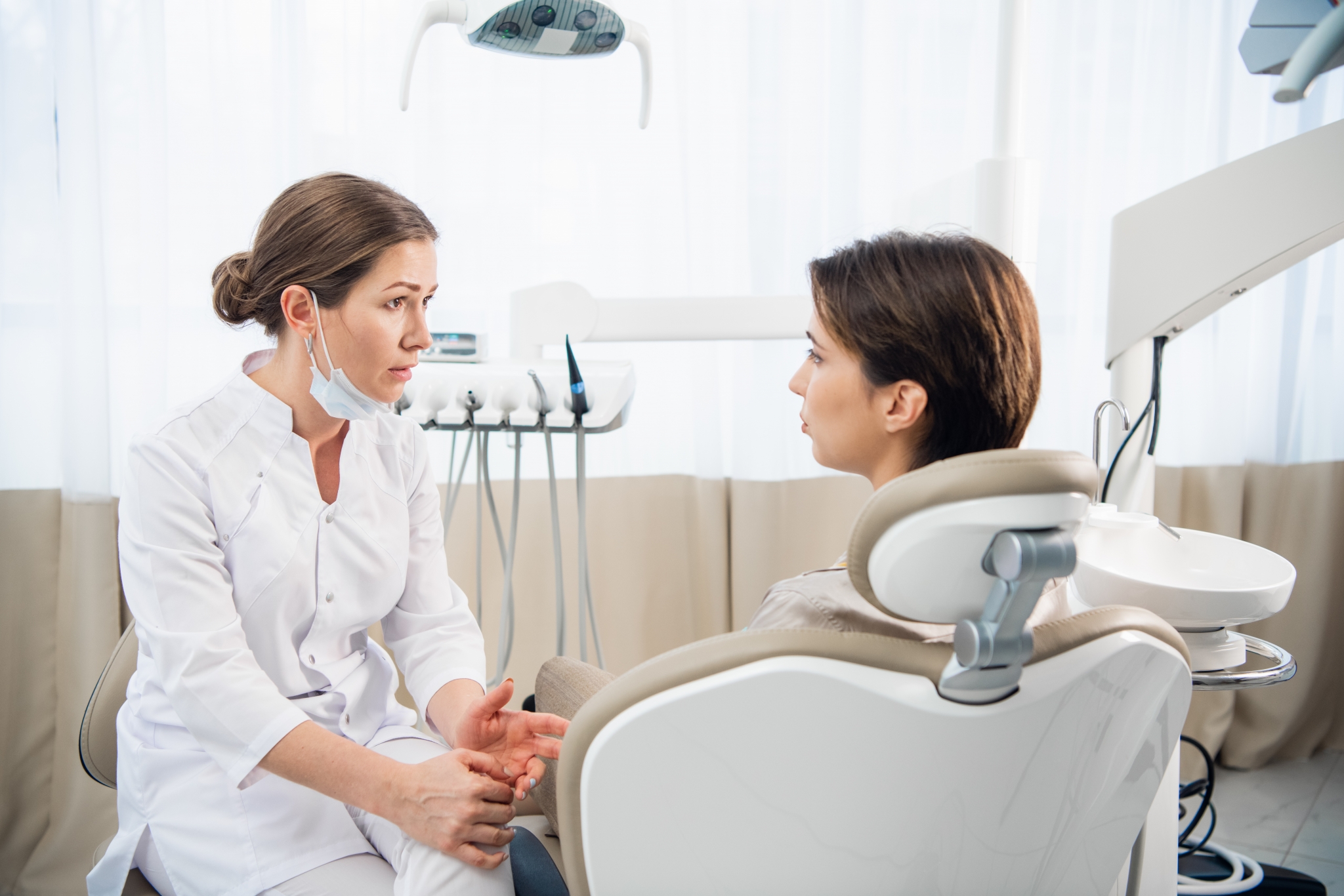
If you find that self-help measures aren't working or if the pain is affecting your day-to-day life, you'll need to speak to your doctor or dentist. In addition to exploring stronger pain killers and ways to relax your muscles, they can:
- Investigate whether teeth grinding is an issue and provide you with remedies to stop it
- Create a mouthguard that you can wear at night to support your jaw and reduce the risk of grinding your teeth
- Provide advice on relaxation techniques and stress management
- Use Botox to reduce some of the tension that affects your TMJ
As a condition that can have unique effects on each person who suffers from it, TMJ disorder often requires a multifaceted approach. If you need advice, call us now at (03) 8845 5400.